Life before life: The early years
Delve into the formative years of Ray Gilbert, understanding the profound impact of his childhood experiences on the man he became and the events that followed.

Ray's early life: A childhood of neglect
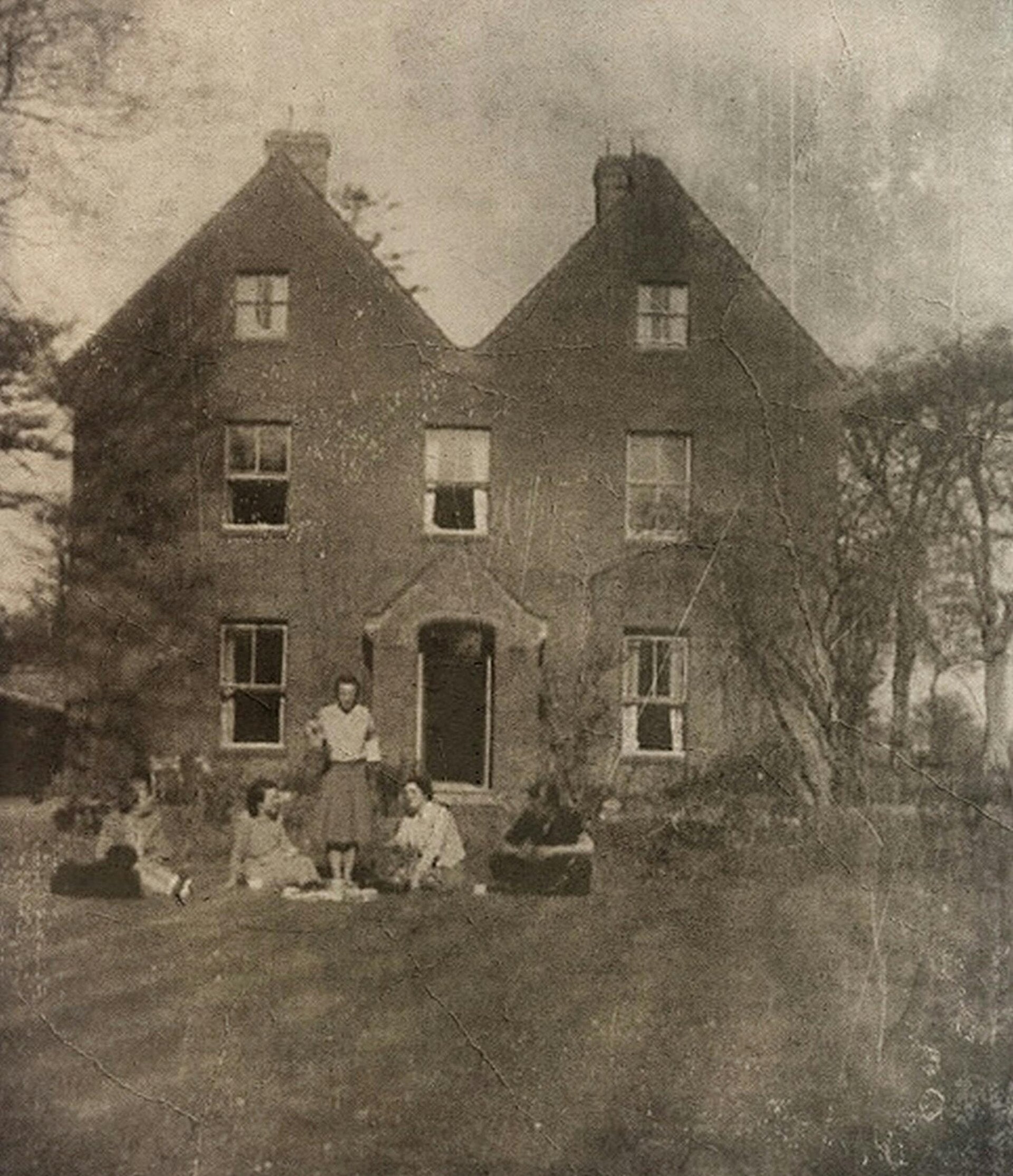
Born the fourth child into an abusive and neglected family, Ray was different from the start. He was three months premature and spent his first six months in hospital, feeling unloved, let down, and neglected by his mother. Worse was to follow when he went home. Abuse became the norm as he was ignored, mocked, and his siblings were encouraged to do the same. More siblings would follow, but it was Ray who was abused the most, in and out of care, and finally made permanent at the age of seven. The others had brief spells in care, but not like Ray. Men came and went, and his childhood abuse was a constant memory, even being swung by his feet head first into a wall. This was witnessed by his auntie, his mother’s sister, who did try to rescue him, but his mother refused.
Finding solace in institutions
Going into care at such an early age while his siblings remained at home probably saved him the most! There was no parental bond or love, but also no violence. Photos were sent to Ray a few years ago by a girl in the same care environment. Until that point, he only had one photo from school aged thirteen, highlighting the scarcity of tangible memories from his early years.
The "dirty dozen" and a life of defiance
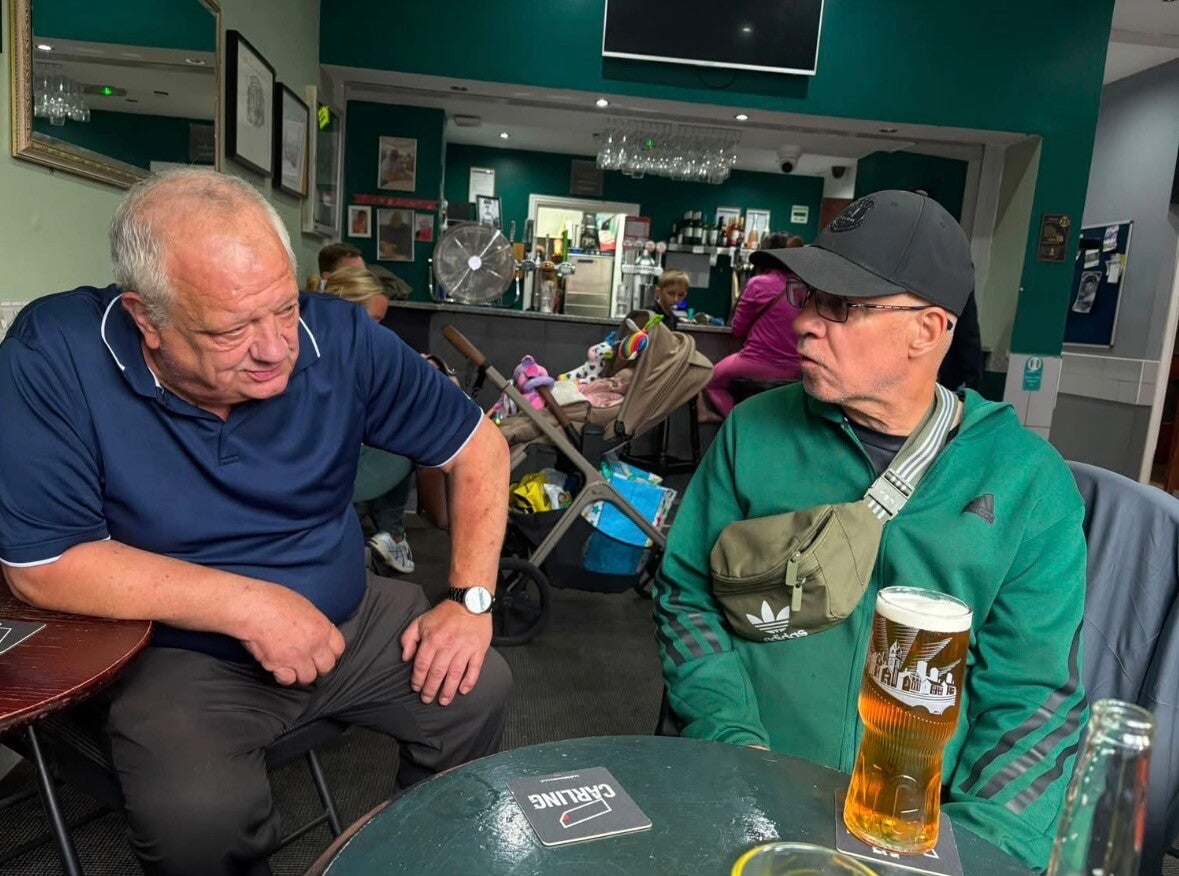
He was mischievous, with a don't-care attitude about himself, as no one cared about him. He had to fight to survive; there were no rules. He would play games at school and disappear along with his crowd of friends called "the dirty dozen". If they did the wrong things, they were accused, and if they didn't, they were still accused. Institutions were his home, shaping a resilient but wary individual.
Understanding CPTSD and Its Impact on Functioning
Complex Post-Traumatic Stress Disorder (CPTSD) often arises from prolonged exposure to traumatic experiences, particularly during childhood. Individuals who have endured cruel and horrific childhood experiences may find themselves grappling with the lasting effects of this disorder. CPTSD is characterised by symptoms such as emotional dysregulation, difficulties in relationships, and persistent feelings of hopelessness. These symptoms can significantly impair one’s ability to function in daily life, affecting work, social interactions, and even basic self-care.
One of the lesser-known consequences of CPTSD is the potential for individuals to provide false confessions. When faced with overwhelming stress or pressure, a person with CPTSD may struggle to distinguish between reality and their traumatic memories. This disassociation can lead to confusion, making them more susceptible to coercion or manipulation during interrogations. In high-stress situations, the instinct to please authority figures or avoid conflict may override their ability to think critically, resulting in confessions that do not reflect the truth of their actions.
Understanding the relationship between CPTSD and false confessions is crucial for both mental health professionals and legal practitioners. It highlights the need for trauma-informed approaches in various settings, ensuring that individuals with CPTSD are treated with the sensitivity and understanding they deserve. By acknowledging the profound impact of childhood trauma on functioning, we can work towards more compassionate and effective support systems for those affected.
"His childhood was filled with neglect and abandonment, mentally and emotionally scarred by his home life and family treatment."
Understanding the lasting impact