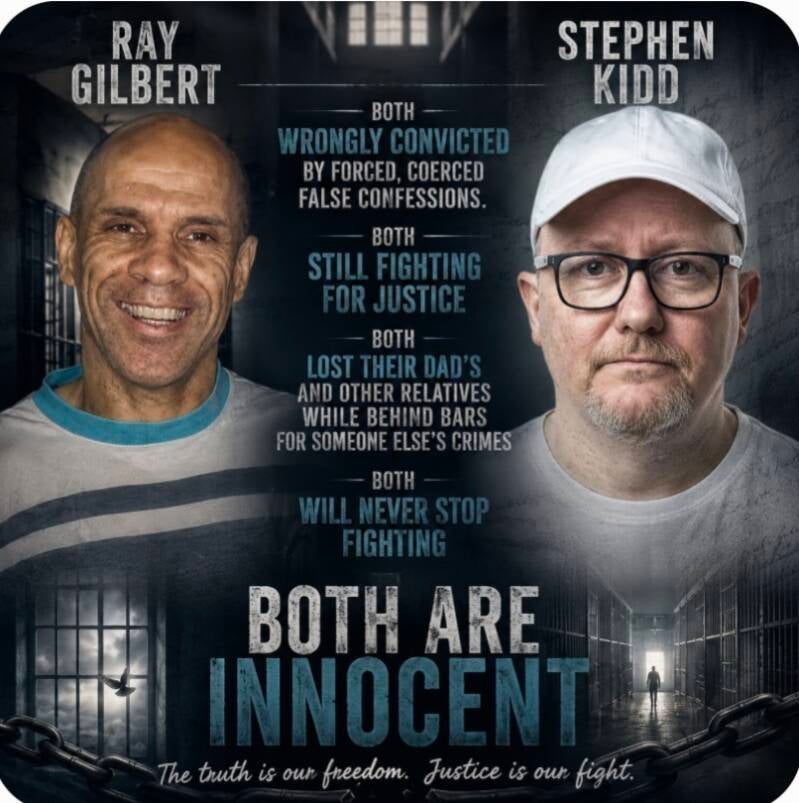
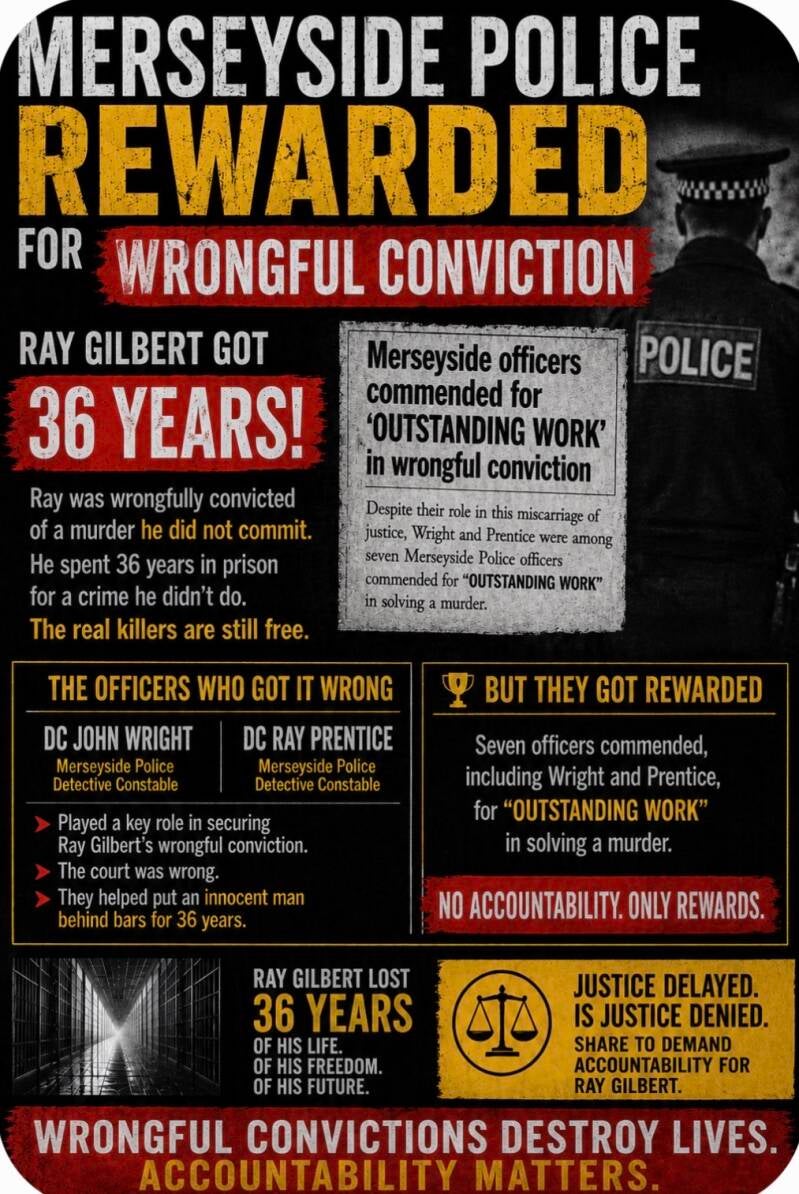
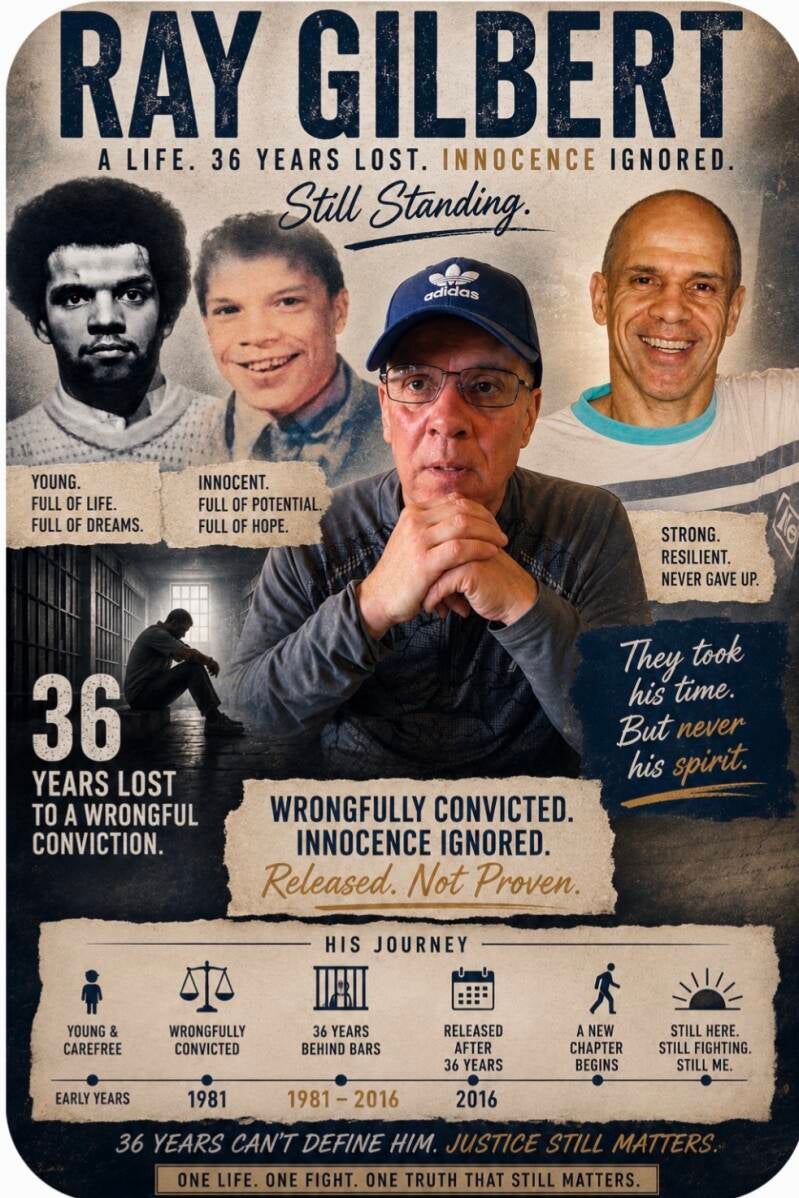
The Witness
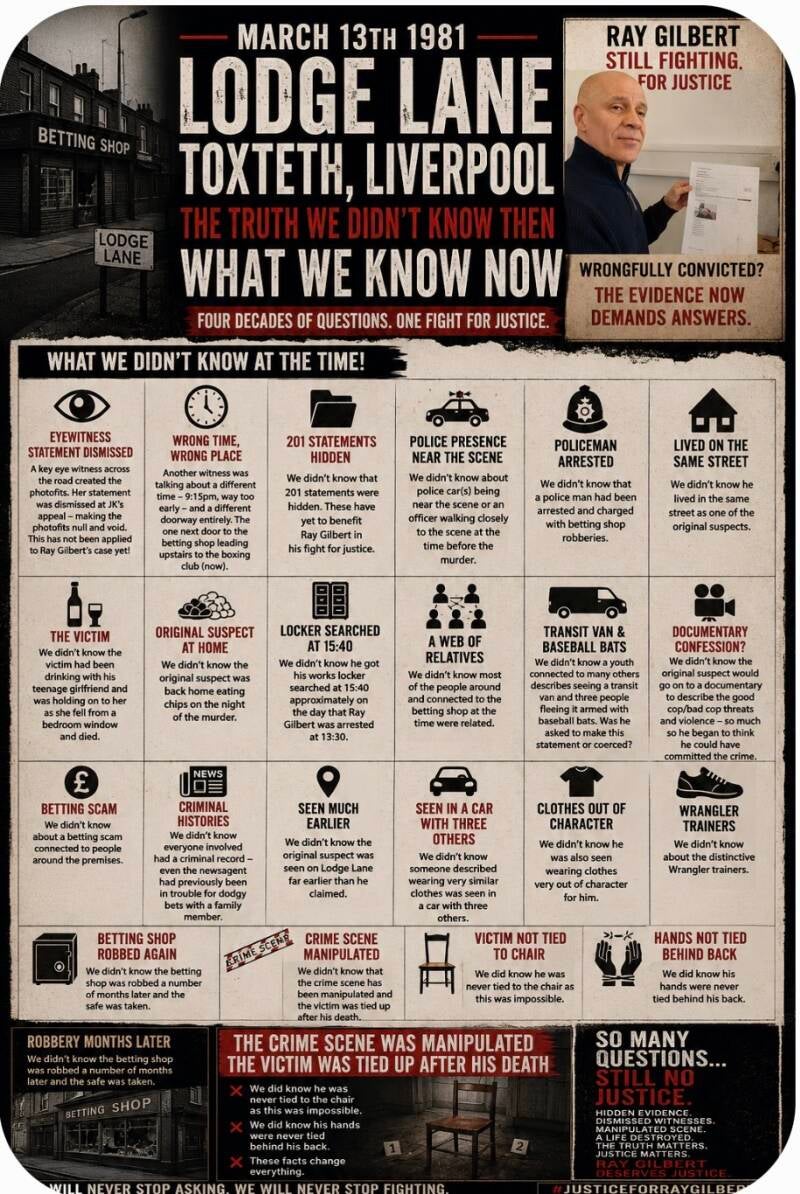
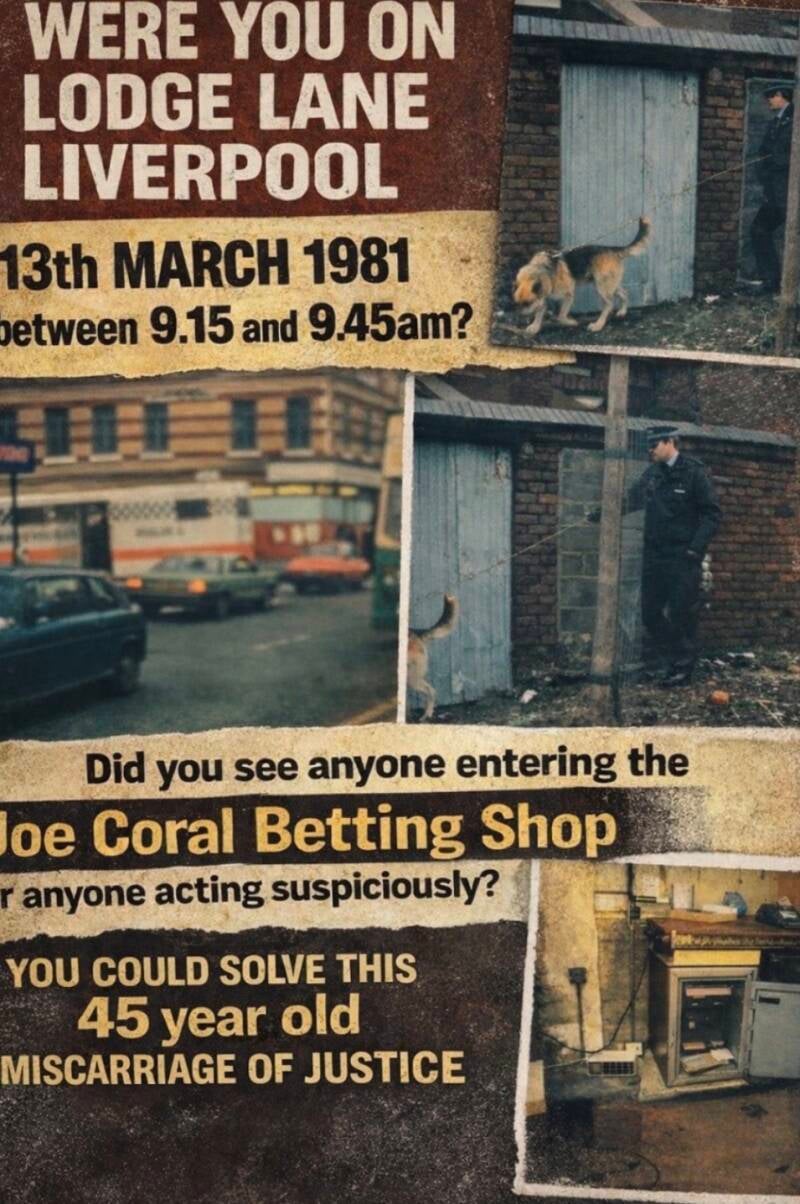
On the morning of Friday 13th March 1981, a woman identified only as BE left her home sometime after 9:30am. At least, that is how the story began. As the investigation into murder unfolded and police attention intensified, the timings shifted. What was once “just after 9:30” slowly drifted towards 9:45am, and with every movement in time came changes in detail, confidence and consequence.
Originally, BE described seeing people “mucking about” across the road from where she stood. She was never beside the men she claimed to observe. She was not face to face with them. She viewed them from the opposite side of the street, at distance, in passing, during a fleeting moment that would later become one of the central pillars of an entire murder case.

Yet from this uncertain beginning came the photofits that would drive the investigation forward.

Those images, created with police assistance and encouragement, would ultimately lead a serving police officer to identify Ray Gilbert and John Kamara as the men supposedly seen that morning. The witness descriptions became critical. The photofits became powerful. And once the machinery of identification began turning, doubt appeared to matter less and less.

But the contradictions were there from the start.

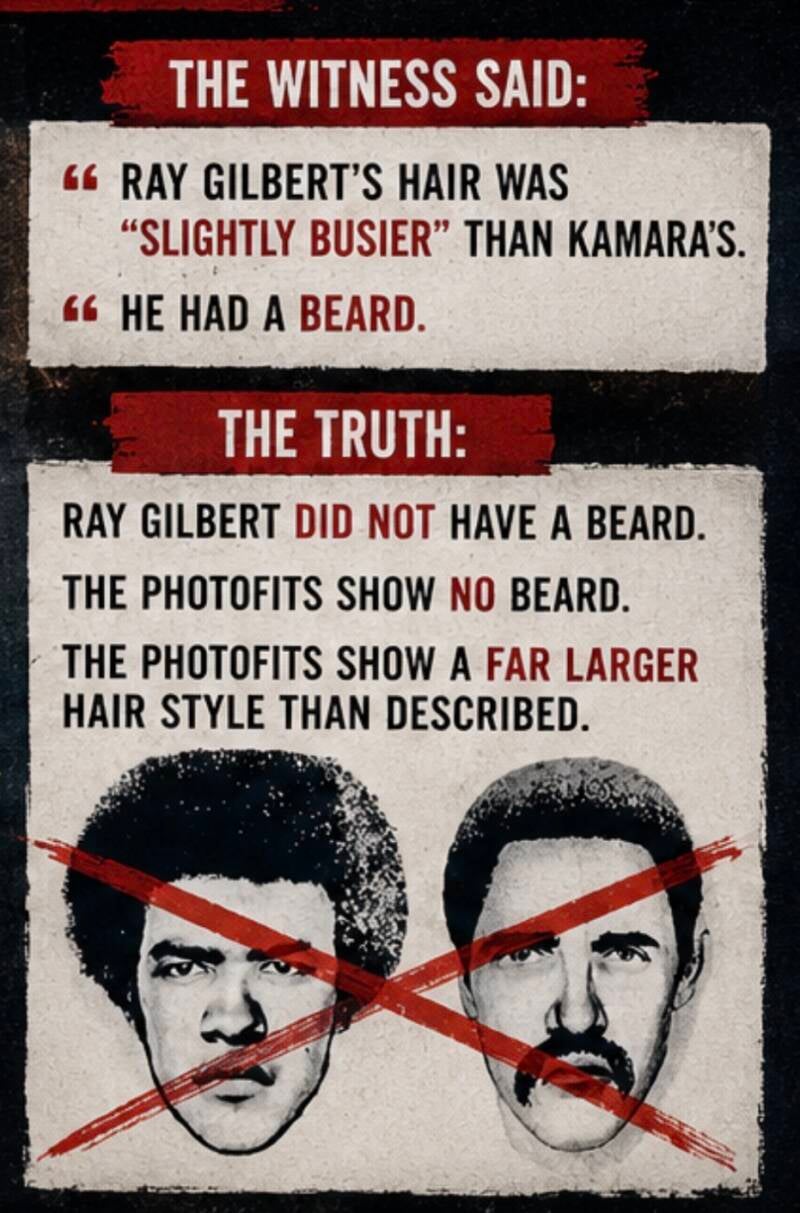
BE described the taller man carrying out actions that would later appear in Ray Gilbert’s own alleged statement, despite Ray being the smaller of the two men. She described John Kamara’s hair in one way, while claiming Ray’s hair was “slightly bushier” and that he had a beard. Yet the photofit produced for Ray showed something entirely different: not slightly bushier hair, but a large helmet-shaped Afro. No beard. No resemblance to the description she had supposedly given.

Ray Gilbert has never had a beard.

The discrepancy was glaring. The words did not match the image. The image did not match the man. And still, the investigation pushed forward as though certainty had been achieved.

The deeper one looks into BE’s background, the more troubling the picture becomes.

Her brother was heavily involved in crime and had been punished accordingly. Shortly before this murder investigation, he himself had been accused of another serious offence. In that case, BE and her husband reportedly provided him with an alibi. Her brother claimed mistaken identity. Curiously, despite extensive archive searches into his criminal history and court appearances, there appears to be little or no mention of him denying any other crimes or her offering an alibi

So the question lingers in the shadows: did she lie then, or later? Was she mistaken? Was she encouraged? Or was she simply useful?

No one can say with certainty. But in one of the earliest cases reviewed by the Criminal Cases Review Commission, her evidence would effectively be sidelined and replaced by another woman’s statement, a statement allegedly hidden from the defence for nearly twenty years.

That alone should have shaken confidence in the original investigation.

If BE was mistaken, then perhaps she described events from another day entirely. If she lied, then the implications become even more devastating. It would mean investigators never truly knew who the perpetrators were. They never knew their real appearance, their age, their build, or even how they entered the property. The foundation of the case collapses into uncertainty.

Forty-five years later, the fog has never lifted.

The contradictions remain frozen in old statements, fading photographs and archived police paperwork. Witness recollections evolved. Descriptions shifted. Photofits transformed. Crucial material emerged years too late. And through it all, one fact remains undeniable:

The murderers still walk free.

Dessert is a very serious matter